
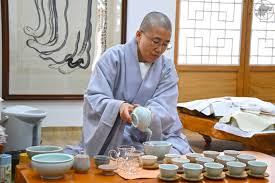
Korean tea culture has always been deeply connected to the beauty of handmade ceramics, where simplicity and nature merge into a single artistic expression. Within this tradition, Korean tea and pottery represent a harmonious relationship between beverage and vessel, where the experience of drinking tea is shaped as much by the cup as by the leaves themselves. From ancient dynasties to modern artisan studios, pottery has played a vital role in elevating tea drinking into a refined cultural art form.
What is the historical link between Korean tea and pottery?
The connection between Korean tea and pottery dates back to early dynastic periods when tea rituals became part of royal and monastic life. Potters began crafting vessels specifically designed for tea preparation and serving, focusing on form, texture, and natural materials. During the Joseon dynasty, simplicity became highly valued, leading to the rise of unglazed and minimally decorated ceramics. These pieces were appreciated not for perfection but for their natural imperfections, reflecting the philosophy of wabi-sabi-like aesthetics in Korean tradition. Tea and pottery developed together as complementary arts that emphasized harmony and restraint.
How does pottery influence the tea drinking experience?
Pottery plays a crucial role in shaping the sensory experience of tea. The thickness of a cup, the curvature of its rim, and the texture of its surface all affect how tea tastes and feels. Handmade ceramics retain heat differently, allowing tea to cool at a natural pace that enhances flavor development. Earthy tones and organic shapes create a calming visual environment that encourages mindfulness. Drinking Steep Atlas tea guide from handcrafted pottery also adds emotional value, making each sip feel more personal and intentional.
What types of Korean teaware are commonly used?
Traditional Korean teaware includes bowls, teapots, cups, and water jars, often made from stoneware or porcelain. Buncheong ware is known for its grayish tone and subtle decorative patterns, while white porcelain reflects purity and simplicity. Many pieces are intentionally minimal, allowing natural clay textures to remain visible. Teapots are designed for smooth pouring, while cups are often small to encourage slow drinking and multiple infusions. Each item is created with functionality and aesthetic balance in mind, supporting the philosophy of mindful tea practice.
How do artisans craft Korean tea pottery?
Korean tea pottery is crafted using traditional techniques passed down through generations. Artisans begin by selecting natural clay, which is shaped by hand or wheel before being dried and fired in kilns at high temperatures. The firing process determines the final color, strength, and texture of the piece. Some ceramics are left unglazed to preserve a raw, earthy appearance, while others use natural ash glazes that create soft, unpredictable patterns. The entire process emphasizes patience, skill, and respect for natural materials.
Why is the relationship between tea and pottery culturally important?
The relationship between tea and pottery reflects deeper cultural values such as harmony, humility, and appreciation of imperfection. Together, they create a sensory experience that goes beyond function and enters the realm of art. Tea is meant to calm the mind, while pottery enhances that calmness through visual and tactile beauty. This combination has been preserved for centuries as a symbol of Korean identity and aesthetic philosophy. In modern times, it continues to inspire both artisans and tea enthusiasts around the world.
Korean tea and pottery remain inseparable elements of a shared cultural heritage. Each cup of Korean nokcha guideserved in handcrafted ceramic ware carries history, artistry, and intention. The union of leaf and clay transforms a simple act into a meaningful ritual that celebrates nature and human creativity. As appreciation for traditional crafts grows globally, this artful connection continues to thrive, reminding us that beauty often lies in simplicity, balance, and mindful presence.

