
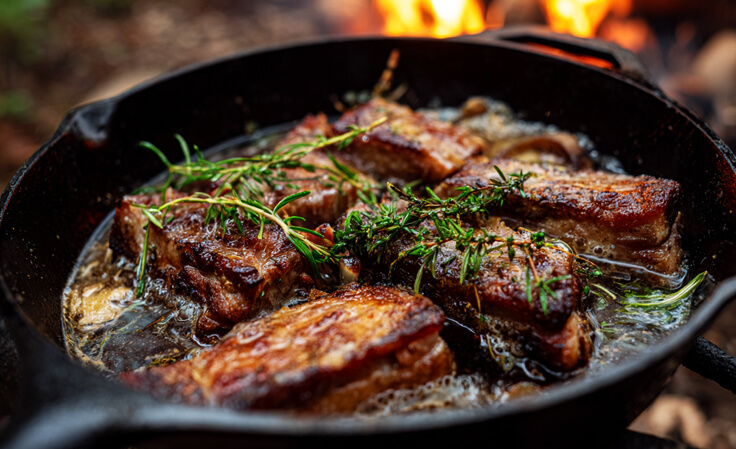
A growing number of home cooks are changing the way they prepare food, especially when it comes to everyday meals like frozen fries without seed oils. Many people are starting to look more closely at what is inside packaged foods and cooking oils, and they are choosing simpler, more traditional fats instead. This shift to the best frozen seed oil free fries is not about following a trend, but about going back to basic cooking methods that feel more natural and easy to understand. For many families, it also feels like a return to the way food was prepared in the past, when ingredients were fewer but more familiar, and meals were made from scratch more often.
In many homes, butter, tallow, lard, olive oil, and coconut oil are slowly replacing highly processed vegetable oils. These traditional fats have been used for generations, long before modern factory-made oils became common. For many people, this change brings back a more simple and familiar way of cooking. It also helps them feel more in control of what they are feeding their families, since these fats are easier to recognize and understand compared to highly processed ingredients found in many store-bought foods.
Why People Are Moving Away From Seed Oils
A shift toward simple and familiar foods
More families today are paying attention to how their food is made, and this has led many of them to choose simpler cooking fats. Instead of relying on heavily processed oils, they are returning to ingredients that feel more natural and closer to real food. This includes animal fats like tallow and lard, as well as simple plant-based oils like olive oil and coconut oil that have been used in kitchens for a long time.
Many people feel more comfortable using ingredients they understand because it makes cooking feel less confusing. When a food is made in a simple way, it feels more trustworthy and closer to home cooking. This also helps people feel more connected to their meals, since they know exactly what is going into their food without needing to read long ingredient labels or worry about complicated processing methods.
Concerns about processing and ingredients
Seed oils such as corn, soybean, sunflower, and canola oil are made through heavy processing that changes the original form of the plant. This process often includes high heat, chemical extraction, and refining steps that many people are not comfortable with. Because of this, some home cooks prefer to avoid these oils and choose options that feel more natural and less altered.
Instead of focusing only on marketing claims or labels, many people now look at how food is made from start to finish. They prefer oils and fats that can be made or understood in a simple kitchen environment. This way of thinking helps them feel more confident about what they are eating and gives them a sense of control over their cooking habits and daily meals.
Traditional fats used in home cooking
Before modern oils became common, people cooked daily meals using fats that came directly from animals or simple pressing methods. Butter, lard, and tallow were widely used in homes because they were easy to produce, store, and cook with. These fats were part of everyday cooking for many generations and were used in both simple meals and special recipes.
Butter adds a rich and creamy flavor that improves many dishes, from vegetables to baked goods. Tallow is often used for frying because it helps food become crispy and golden. Lard is known for making baked goods soft, flaky, and flavorful. Today, these fats are becoming popular again because many people are rediscovering how well they work in everyday cooking and how satisfying they can make meals feel.
How Cooking Changes When You Use Traditional Fats
Better flavor and more satisfying meals
One of the biggest changes people notice when switching to traditional fats is the improvement in flavor. Meals often taste richer, fuller, and more satisfying when cooked with butter, tallow, or lard. Even simple foods that people cook every day can become more enjoyable and feel more filling.
For example, potatoes cooked in tallow often turn crispy on the outside and soft inside, with a deeper flavor than when cooked in processed oils. Eggs cooked in butter become smoother and richer in taste. Even roasted vegetables take on a stronger and more natural flavor when olive oil or coconut oil is used. These small changes can make everyday meals feel more special without adding extra effort in the kitchen.
Easy swaps in everyday cooking
Switching to traditional fats does not require big changes in cooking habits. It can start with small and simple swaps that fit into daily routines. Butter can be used instead of vegetable oil when cooking eggs or making sauces. Tallow can replace processed oils when frying potatoes or meat. Olive oil can be used for salads, roasting vegetables, or light cooking.
Even frozen foods can be part of this change. Many people now look for frozen fries without seed oils, or they choose to prepare fries at home using tallow or olive oil instead of processed oils. These small adjustments allow people to enjoy familiar foods while still choosing simpler ingredients. Over time, these small swaps can become normal habits that feel easy and natural to maintain.
A more natural way of cooking
Using traditional fats also changes the overall experience of cooking. Many people notice that they enjoy being in the kitchen more because the food smells better, tastes richer, and feels more homemade. Cooking becomes less about convenience and more about creating something satisfying and meaningful.
This way of cooking also encourages people to slow down and pay more attention to their meals. Instead of rushing through food preparation, they begin to enjoy the process more. The kitchen becomes a place of comfort and routine, where simple ingredients are turned into warm and filling meals that bring people together.
Final Thoughts
Choosing traditional fats is a simple change that many home cooks are making today, and it often starts with small steps in everyday meals. Whether it is frying potatoes in tallow, baking with butter, or preparing frozen fries without seed oils, the goal is to use fewer processed ingredients and more familiar foods that feel closer to home cooking.
For many people, this shift is not only about food choices. It is also about returning to simpler habits, enjoying better tasting meals, and building a more natural way of cooking at home that feels easy, practical, and satisfying in the long run.

